 Save
Save My aunt used to make fudge every December, and the smell of melting chocolate and butter would fill the whole house. I'd watch her stir the pot with a wooden spoon, the candy thermometer clipped to the side like some kind of scientific experiment. One year she let me help, and I learned that fudge doesn't forgive impatience. It taught me to trust the process, to wait for that glossy moment when everything comes together.
I made this for a holiday party once, and people kept asking if I'd bought it from a confectionery. Someone even wrapped a square in a napkin to take home. That's when I realized homemade fudge has a kind of magic to it, a richness that store-bought versions can't quite match. It's the kind of dessert that makes people slow down and savor.
Ingredients
- Unsalted butter: It adds creaminess and helps the fudge set with a smooth, velvety texture. I always use unsalted so I can control the sweetness and salt balance myself.
- Whole milk: The fat content matters here. Whole milk keeps the fudge rich without making it too heavy or separating during cooking.
- Granulated sugar: This is what gives fudge its structure. It needs to cook to the right temperature, or the fudge won't set properly.
- Semi-sweet chocolate chips or chopped chocolate: I prefer chopped chocolate because it melts more evenly, but chips work just fine if that's what you have on hand.
- Pure vanilla extract: A little vanilla deepens the chocolate flavor and adds warmth. Don't skip it.
- Fine sea salt: Just a pinch brings out the sweetness and makes the chocolate taste more complex, not flat.
Tired of Takeout? 🥡
Get 10 meals you can make faster than delivery arrives. Seriously.
One email. No spam. Unsubscribe anytime.
Instructions
- Prepare the pan:
- Line your 8x8-inch pan with parchment paper, letting it hang over the edges. This makes lifting the fudge out so much easier later, trust me.
- Melt the butter and sugar:
- In a heavy-bottomed saucepan, melt the butter over medium heat, then stir in the sugar and milk. Keep stirring until everything is combined and starting to bubble.
- Boil to soft-ball stage:
- Clip your candy thermometer to the side of the pan and keep the mixture at a steady boil, stirring often. Wait until it hits 238°F, which takes about 10 to 15 minutes.
- Add chocolate and flavorings:
- Pull the pan off the heat and immediately add the chocolate, vanilla, and salt. Stir hard and fast until the chocolate melts completely and the mixture turns thick and glossy.
- Pour and smooth:
- Quickly pour the fudge into your prepared pan and smooth the top with a spatula. Work fast because it starts to set as it cools.
- Cool and cut:
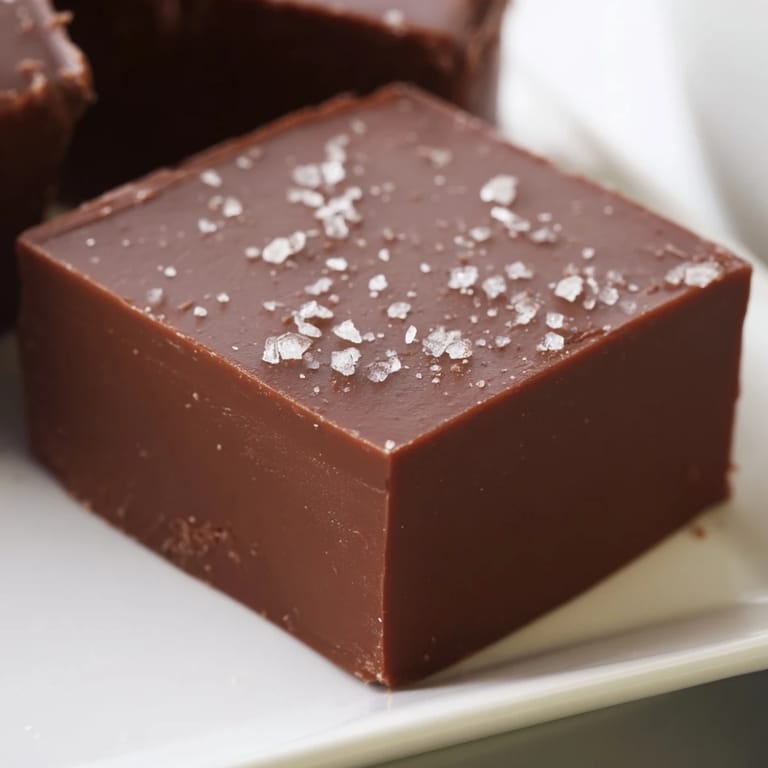
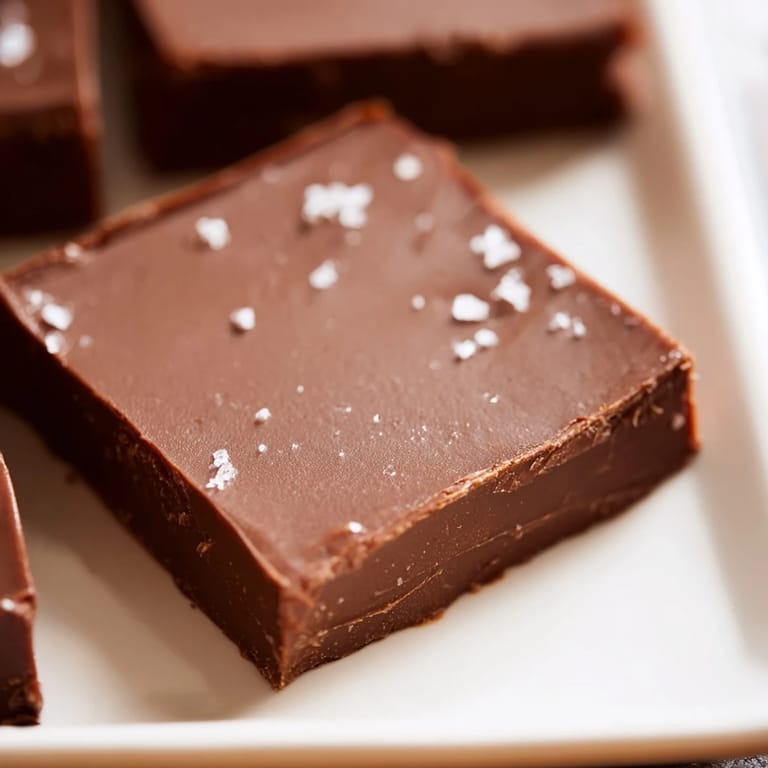
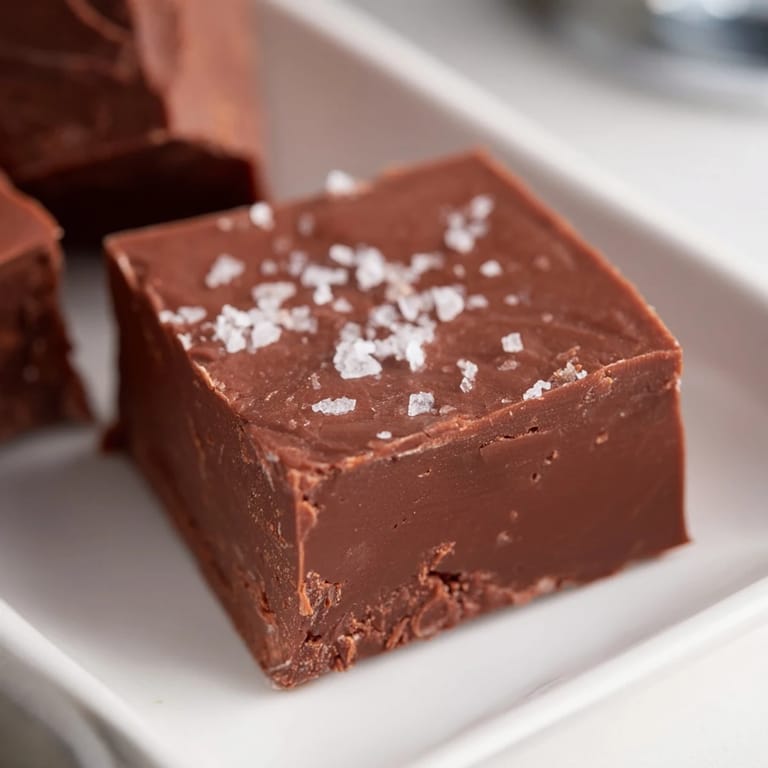
- Let it sit at room temperature for about 2 hours until firm. Lift it out using the parchment, then cut it into 36 squares with a sharp knife.
 Save
Save One Christmas, I wrapped squares of this fudge in wax paper and tied them with twine, and my neighbor told me it reminded her of the candy her grandmother used to make. I realized then that some recipes carry more than flavor. They carry memories, and sometimes you get to be part of someone else's.
How to Know When It's Ready
The candy thermometer is your best friend here, but if you don't have one, you can test the mixture by dropping a small spoonful into cold water. If it forms a soft ball that flattens when you press it, you've hit the right stage. I learned this trick from an old cookbook, and it's saved me more than once when my thermometer broke mid-batch.
Storing and Serving
I keep my fudge in an airtight tin at room temperature, and it stays fresh for about a week. If you want it firmer, pop it in the fridge for an hour after it sets. I like serving it on a plate with a dusting of cocoa powder, or stacking squares in a glass jar as a gift.
Ways to Make It Your Own
This recipe is flexible once you've mastered the basics. I've folded in toasted walnuts, swirled in peanut butter, and even sprinkled flaky sea salt on top before it set. Each version felt like a new discovery, and that's the joy of making something by hand.
- Try dark chocolate instead of semi-sweet for a deeper, less sweet flavor.
- Add a tablespoon of espresso powder to the chocolate for a subtle mocha twist.
- Fold in mini marshmallows or crushed peppermint candies for a festive touch.
 Save
Save Making fudge taught me that some things can't be rushed, and that patience in the kitchen is its own kind of reward. I hope this recipe becomes one you return to, year after year.
Recipe FAQs
- → What temperature should the mixture reach to ensure correct texture?
The mixture should be cooked to 238°F (114°C), also known as the soft-ball stage, for the ideal chewy and creamy consistency.
- → Can I substitute dark chocolate for semi-sweet chocolate?
Yes, dark chocolate can be used to create a deeper, richer flavor while maintaining the confection's creamy texture.
- → How long should the confection cool before cutting?
Allow it to cool and set at room temperature for about 2 hours until firm before slicing into squares.
- → What tool is recommended to measure the cooking temperature?
Using a candy thermometer ensures precise temperature control during cooking for the best texture.
- → Can nuts be added to this confection?
Yes, folding in toasted walnuts or pecans before setting adds a pleasant crunch and nutty flavor.
- → How can the texture be firmed up further?
Chilling the confection in the refrigerator for an hour after setting at room temperature will result in a firmer texture.