 Save
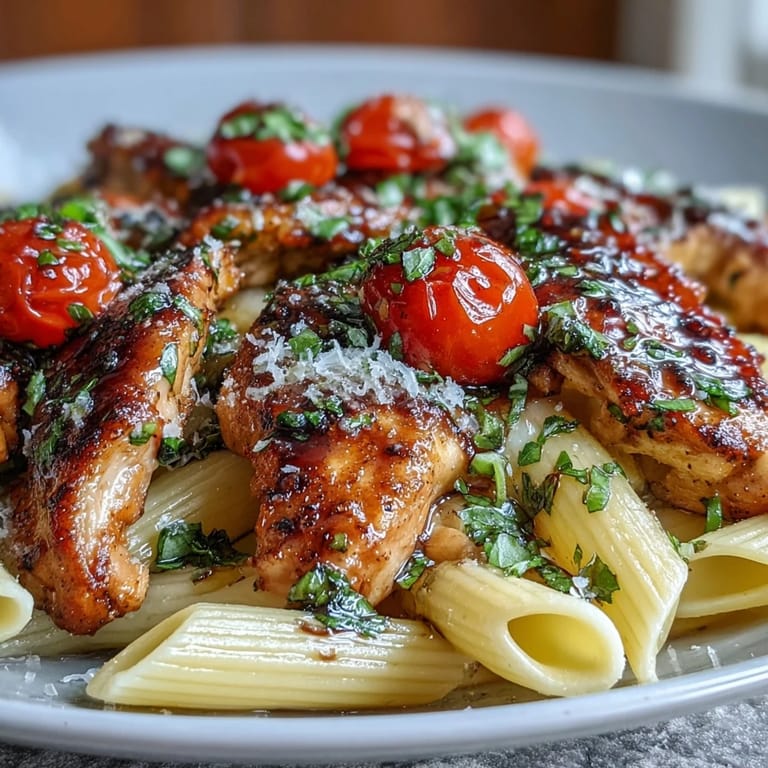
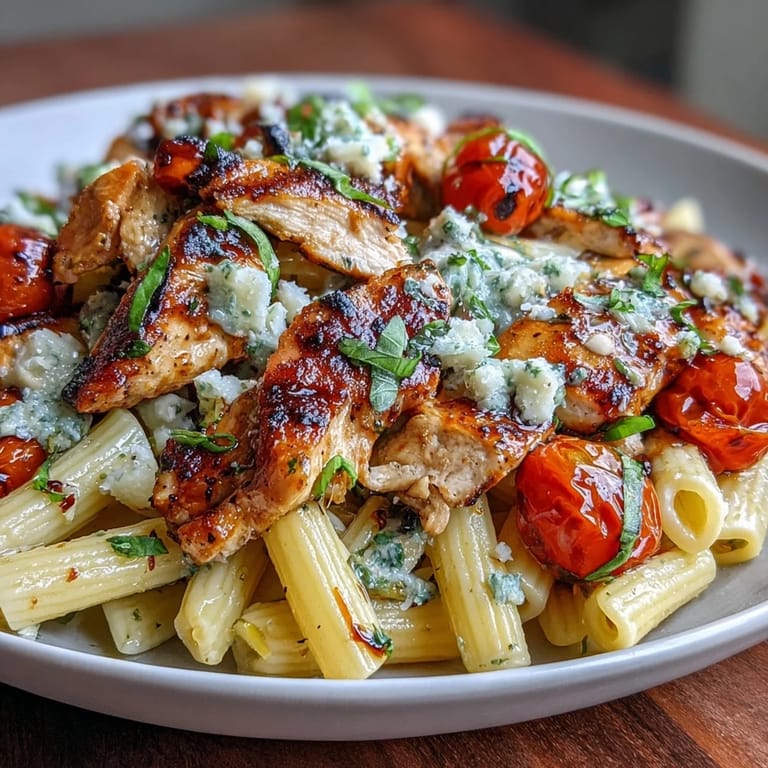
Save The smell of garlic hitting hot olive oil still takes me straight back to a Tuesday night when I had twenty minutes before book club and zero inspiration. I tossed what I had into a skillet, chicken, tomatoes, pasta, and somehow ended up with something that made everyone ask for the recipe. It wasn't fancy, just bright and satisfying in that effortless summer way. Now it's my go-to when I want something that tastes like I tried harder than I did.
I made this for my sister the week she moved into her first apartment, and we ate it straight from the skillet on her bare counter because she hadn't unpacked plates yet. The tomatoes burst into this sweet, tangy sauce that clung to every piece of pasta, and the basil made the whole room smell like an Italian garden. She still texts me photos every time she makes it, usually with some chaotic variation involving whatever protein she has on hand. It became her signature dish before it ever became mine.
Ingredients
- Penne or fusilli pasta: The ridges and curves catch all that garlicky tomato goodness, so don't swap for something smooth like spaghetti unless you want a slippery situation.
- Boneless, skinless chicken breasts: Trim any weird bits before cooking so they sear evenly, and always let them rest after cooking or you'll lose all those juices to your cutting board.
- Garlic, minced: Fresh garlic makes all the difference here, the jarred stuff just doesn't have that sharp, aromatic punch that blooms in hot oil.
- Small shallot, finely chopped: Shallots are sweeter and more delicate than onions, so they melt into the background and let the tomatoes shine.
- Cherry tomatoes, halved: Use the ripest, reddest ones you can find because they'll break down into a jammy sauce that coats everything.
- Extra-virgin olive oil, divided: This is your flavor base and your cooking fat, so use something you'd actually want to taste on bread.
- Balsamic vinegar: Just a tablespoon adds a sweet-tart depth that makes people wonder what your secret is.
- Fresh basil leaves, thinly sliced: Tear or slice these at the last second so they stay bright green and aromatic instead of turning dark and sad.
- Fresh parsley, chopped: It adds a grassy freshness that balances the richness of the cheese and chicken.
- Freshly grated Parmesan cheese: Pre-shredded Parmesan is coated in anti-caking agents that prevent it from melting smoothly, so grate your own if you can.
- Diced fresh mozzarella: The little cubes melt into creamy pockets throughout the pasta, way better than the shredded kind.
- Kosher salt and freshly ground black pepper: Season as you go, not just at the end, so every layer builds flavor.
- Pinch of red pepper flakes (optional): I always add them because I like a little heat sneaking up behind the sweetness.
- Pasta cooking water, reserved: This starchy liquid is pure gold for loosening up the sauce without making it greasy.
Tired of Takeout? 🥡
Get 10 meals you can make faster than delivery arrives. Seriously.
One email. No spam. Unsubscribe anytime.
Instructions
- Boil the pasta:
- Bring a large pot of salted water to a rolling boil, then cook the pasta until it still has a little bite in the center. Before you drain it, scoop out a mugful of that cloudy cooking water because you'll need it later to bring everything together.
- Season the chicken:
- While the pasta bubbles away, pat the chicken breasts dry with a paper towel and season both sides generously with salt and pepper. Dry chicken sears better and gets that gorgeous golden crust.
- Sear the chicken:
- Heat 2 tablespoons of olive oil in a large skillet over medium-high until it shimmers like a hot summer road, then lay the chicken in gently. Let it cook undisturbed for 5 to 7 minutes per side until it's bronzed and reaches 165°F in the thickest part, then move it to a cutting board to rest for 5 minutes before slicing.
- Sauté the aromatics:
- In the same skillet, add the last tablespoon of olive oil and turn the heat down to medium. Toss in the shallot and garlic, stirring constantly so they turn soft and fragrant without burning into bitter brown bits.
- Cook the tomatoes:
- Add the halved cherry tomatoes and let them sizzle for 3 to 4 minutes, stirring occasionally, until they start to collapse and release their sweet juices. Stir in the balsamic vinegar and red pepper flakes if you're using them, and let everything meld together.
- Combine chicken and pasta:
- Slice the rested chicken into half-inch pieces and return them to the skillet along with the drained pasta. Toss everything gently, adding splashes of reserved pasta water until the sauce clings to every noodle instead of pooling at the bottom.
- Finish with herbs and cheese:
- Pull the skillet off the heat and stir in the fresh basil, parsley, Parmesan, and mozzarella. The residual heat will melt the cheese into creamy strands and release the fragrance of the herbs without cooking them into mush.
- Adjust and serve:
- Taste a bite and add more salt or pepper if it needs it, then transfer to bowls or a big platter. Garnish with extra Parmesan, a drizzle of your best olive oil, and a few whole basil leaves for that final touch.
 Save
Save The first time I brought this to a potluck, someone asked if I'd trained in Italy, and I had to laugh because I'd learned it by accident on a weeknight. But that's the thing about simple food done right, it doesn't need to be complicated to feel special. It just needs ripe tomatoes, good olive oil, and the confidence to let ingredients speak for themselves.
Choosing Your Tomatoes
I used to grab whatever cherry tomatoes were on sale until I made this in January with pale, flavorless ones and realized the whole dish depends on them. Now I wait for summer when they're candy-sweet and bursting with juice, or I use canned San Marzano tomatoes in the off-season and crush them by hand. If your tomatoes don't smell like anything in the container, they won't taste like anything in the pan.
Getting the Chicken Right
I used to overcook chicken breasts into rubber because I was terrified of underdoing them, but a meat thermometer changed everything. Pull them at 165°F, not a degree higher, and let them rest so the juices redistribute instead of running all over your board. If your breasts are uneven, pound the thick parts gently with your palm so they cook at the same rate as the thinner ends.
Making It Your Own
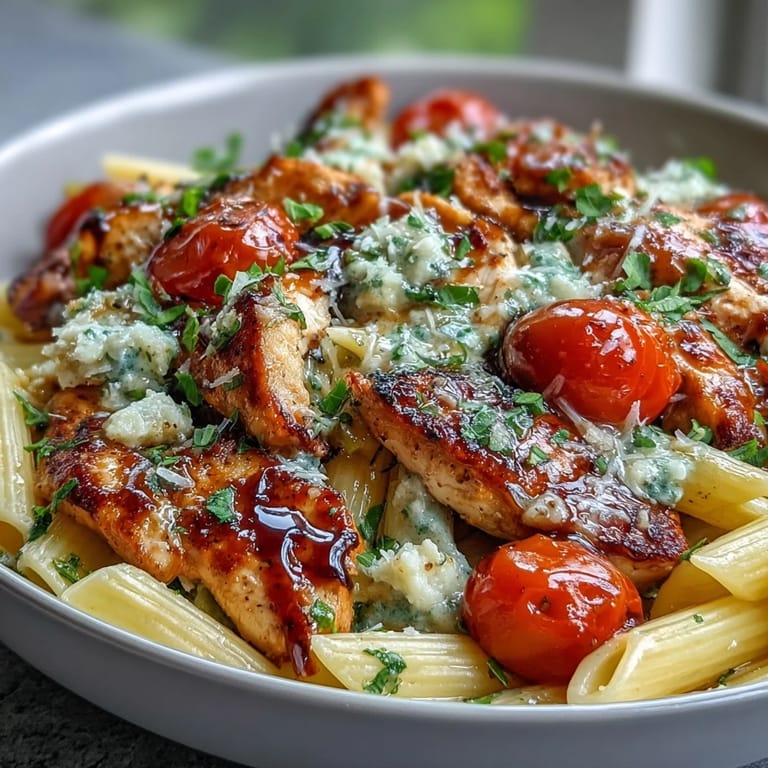
This recipe is a template, not a rulebook, and I've made it a dozen ways depending on what's in the fridge. Sometimes I skip the chicken and toss in white beans or chickpeas for a vegetarian version. Other times I add a handful of arugula or spinach right at the end so it wilts into the warm pasta.
- Swap the penne for rigatoni, cavatappi, or even spaghetti if that's what you have.
- Use thighs instead of breasts for richer, more forgiving meat that's harder to overcook.
- Stir in sun-dried tomatoes or Kalamata olives if you want a briny, intense twist.
 Save
Save This dish taught me that the best meals aren't always the ones you plan, they're the ones you throw together with confidence and a little instinct. I hope it becomes one of those recipes you make without thinking, the kind that turns a regular Tuesday into something worth remembering.
Recipe FAQs
- → Can I make this dish vegetarian?
Absolutely. Simply omit the chicken breasts and increase the cheese quantity or add white beans for protein. The pasta and vegetable components remain just as flavorful and satisfying without the meat.
- → What type of pasta works best?
Penne or fusilli are ideal choices because their shapes hold the sauce well. The ridges and curves capture the cherry tomato juices and melted cheese, ensuring flavorful bites throughout the dish.
- → How do I know when the chicken is properly cooked?
Use a meat thermometer to check that the internal temperature reaches 165°F (74°C). The chicken should be golden brown on the outside and no longer pink in the center. Letting it rest for 5 minutes before slicing keeps it juicy.
- → Why should I reserve pasta water?
The starchy pasta water helps bind the sauce components together, creating a silky consistency that clings to the pasta. Add it a splash at a time if the mixture seems dry after tossing.
- → Can I prepare this in advance?
You can cook the pasta and chicken ahead of time, but for best results, assemble the dish just before serving. The fresh basil and mozzarella add the most flavor when added at the end, while the tomatoes taste brightest when freshly softened.
- → What can I serve alongside this pasta?
A simple green salad with vinaigrette complements the richness nicely. Crusty garlic bread is perfect for soaking up any remaining sauce. For a lighter touch, serve with grilled vegetables or a fresh caprese salad.