 Save
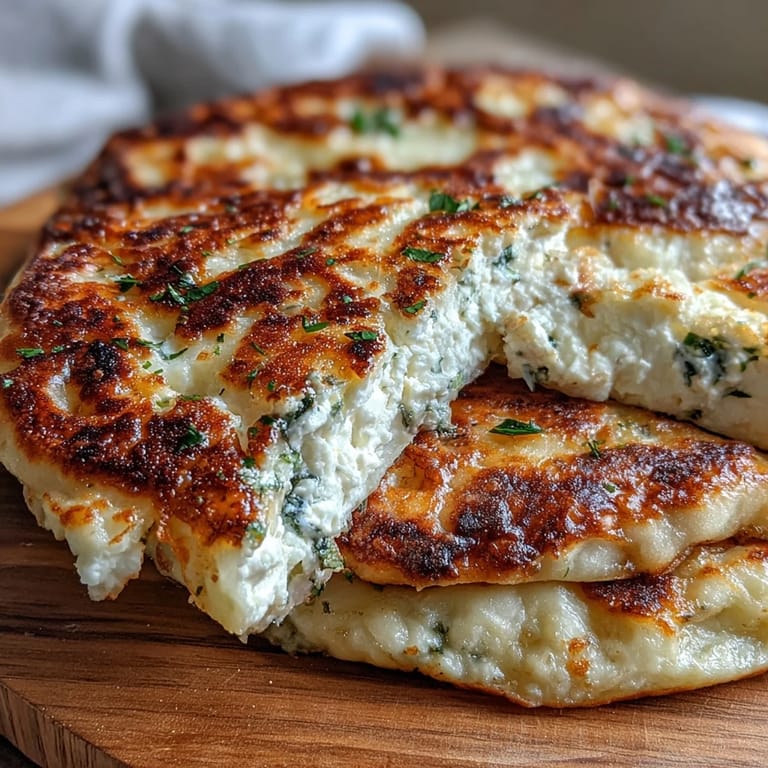
Save My neighbor knocked one afternoon with a container of cottage cheese she couldn't use before vacation. I stared at it, skeptical, then remembered a flatbread trick I'd seen years back but never tried. Twenty minutes later, I was tearing into the softest, fluffiest rounds I'd made in months, each one blistered and golden. The subtle tang from the cheese made them perfect for scooping hummus, and I ended up eating three before dinner even started.
I made these on a rainy Saturday when my daughter wanted to help, and she loved pressing the dough into wobbly circles. We cooked them side by side, flipping too early at first, laughing when they puffed up like tiny pillows. By the fourth one, we had the rhythm down, and she declared them better than store-bought pitas.
Ingredients
- All-purpose flour: The backbone of the dough, giving structure without making it heavy, keep extra nearby for dusting your work surface.
- Baking powder: This is what creates those airy bubbles and soft texture, no waiting for yeast to proof.
- Fine salt: Balances the mild tang of the cheese and wakes up the flavor, don't skip it.
- Garlic powder: Optional but adds a subtle savory note that makes these flatbreads taste more intentional.
- Full-fat cottage cheese: Drain it well or your dough will be too wet, the curds break down into a creamy binder.
- Egg: Holds everything together and adds richness, making the flatbreads tender instead of tough.
- Olive oil: Keeps the dough pliable and adds a hint of flavor, plus you'll need extra for the skillet.
- Fresh chopped herbs: Parsley or chives bring brightness, but you can leave them out if your pantry is bare.
- Water: Use sparingly, just enough to bring the dough together if it feels dry or crumbly.
Tired of Takeout? 🥡
Get 10 meals you can make faster than delivery arrives. Seriously.
One email. No spam. Unsubscribe anytime.
Instructions
- Mix the dry ingredients:
- Whisk the flour, baking powder, salt, and garlic powder together in a medium bowl until evenly blended. This step ensures every bite has balanced seasoning.
- Combine the wet ingredients:
- In a separate bowl, mash the drained cottage cheese with the egg, olive oil, and herbs using a fork until mostly smooth. A few small curds are fine, they'll disappear as you knead.
- Form the dough:
- Pour the wet mixture into the dry ingredients and stir gently with a spatula until a shaggy dough forms. If it feels too dry, add water one teaspoon at a time until it comes together soft and slightly sticky.
- Knead briefly:
- Turn the dough onto a lightly floured surface and fold it over itself 6 to 8 times, just enough to create a smooth ball. Over-kneading will make the flatbreads tough.
- Rest the dough:
- Cover the dough with a clean kitchen towel or plastic wrap and let it rest for 10 minutes at room temperature. This rest relaxes the gluten and makes rolling easier.
- Divide and shape:
- Cut the dough into 4 equal portions and roll each into a smooth ball. Use a rolling pin or your hands to flatten each ball into a round about a quarter inch thick, dusting with flour as needed.
- Heat the skillet:
- Warm a large nonstick or cast-iron skillet over medium heat and brush lightly with olive oil. The pan should be hot but not smoking.
- Cook the flatbreads:
- Place one rolled flatbread in the hot skillet and cook for 2 to 3 minutes until bubbles form and the underside turns golden brown. Flip and cook another 1 to 2 minutes until cooked through, adjusting the heat if they brown too fast.
- Keep warm:
- Transfer the cooked flatbread to a plate and cover with a clean towel to keep it soft and warm. Repeat with the remaining dough, adding more oil to the skillet as needed.
- Serve warm:
- Enjoy the flatbreads fresh as wraps, with dips, or topped with sauce and cheese for quick personal pizzas.
 Save
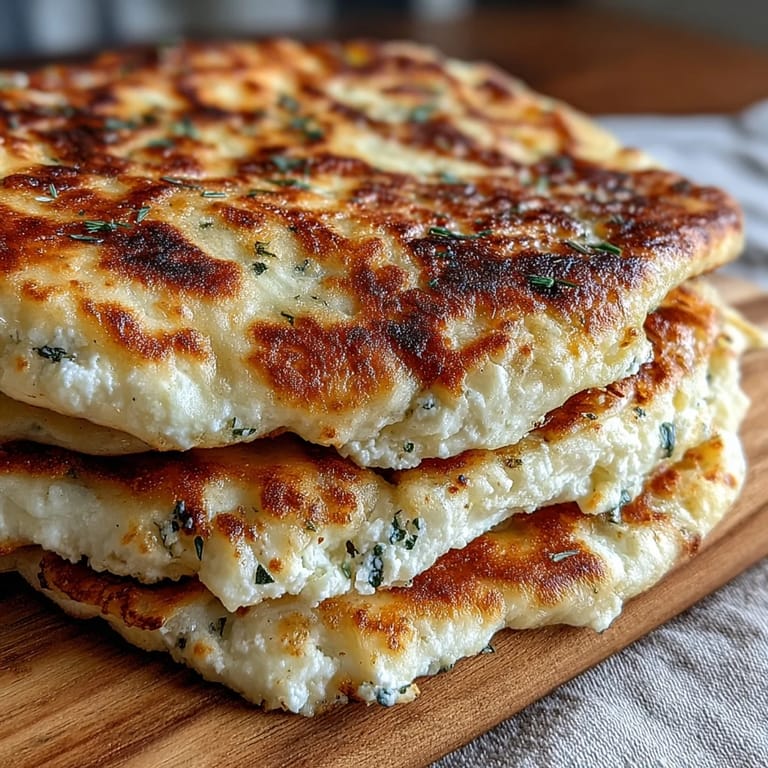
Save The first time I served these at a potluck, someone asked if I'd ordered them from a Mediterranean bakery. I laughed and admitted they took less time than driving to the store. Now they're my go-to whenever I need something warm, fast, and impressive without the fuss.
Making It Your Own
I've stirred in finely chopped spinach for a green speckled version and folded in sun-dried tomatoes when I wanted something bolder. You can swap the herbs for za'atar or smoked paprika, or brush the cooked flatbreads with garlic butter for extra richness. If you're gluten-free, use a 1 to 1 flour blend and add a tablespoon of ground flaxseed to help with texture.
Storing and Reheating
I stack cooled flatbreads with parchment between each one and keep them in an airtight container in the fridge for up to three days. They freeze beautifully for up to a month, just thaw at room temperature and reheat in a dry skillet for 30 seconds per side. If you use the microwave, wrap them in a damp paper towel so they don't dry out.
Turning Them Into Pizza
One night I was too tired to make real pizza dough, so I topped these flatbreads with marinara, mozzarella, and pepperoni, then baked them at 425 degrees for 8 minutes. They crisped up on the edges but stayed soft in the middle, and my kids devoured them faster than delivery would have arrived.
- Use a preheated baking sheet or pizza stone for extra crispness on the bottom.
- Keep toppings light so the flatbread doesn't get soggy.
- Finish with fresh basil or a drizzle of olive oil right after baking for a restaurant touch.
 Save
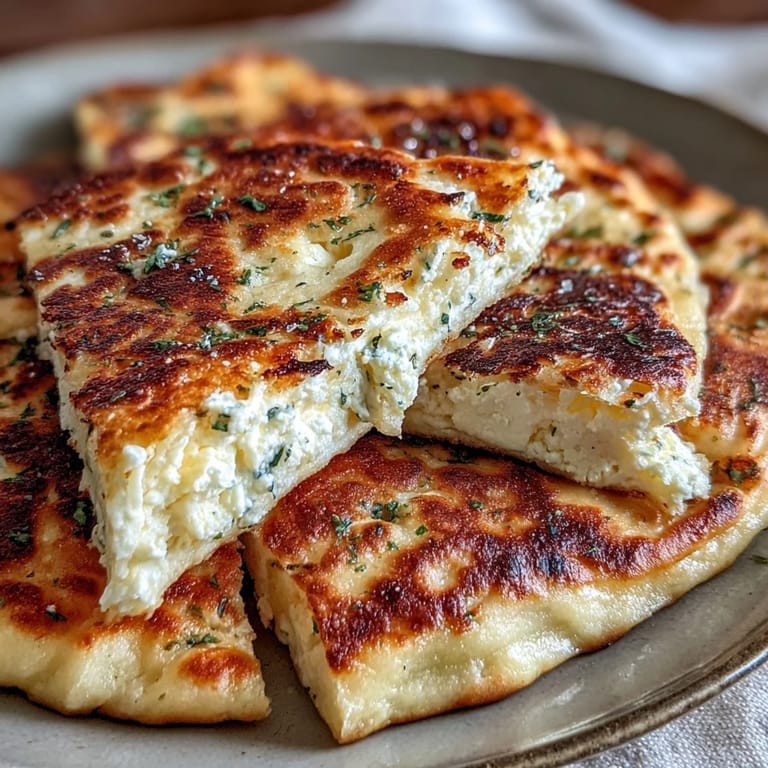
Save These flatbreads turned cottage cheese from a fridge mystery into a weekly staple, and they've saved dinner more times than I can count. I hope they do the same for you.
Recipe FAQs
- → What does cottage cheese add to the dough?
Cottage cheese provides moisture, protein, and a subtle tang that enhances flavor. The curds break down during mixing, creating tender, soft flatbreads with a slightly chewy texture similar to traditional breads.
- → Can I make these without garlic or herbs?
Absolutely. The garlic powder and fresh herbs are optional additions. Plain versions still deliver delicious, soft flatbreads perfect for any filling or topping you prefer.
- → How do I know when the flatbread is cooked properly?
Look for golden brown spots on the underside and bubbles forming on the surface. Each side takes 2–3 minutes over medium heat—the flatbread should feel cooked through but remain pliable and soft.
- → Why does the dough need to rest?
A 10-minute rest allows the flour to hydrate fully and the gluten to relax. This makes rolling easier and produces softer, more tender flatbreads that won't shrink back or become tough.
- → Can I freeze these flatbreads?
Yes, freeze cooled flatbreads in a sealed container for up to one month. Reheat in a warm skillet or microwave wrapped in a damp paper towel to restore softness and flexibility.