 Save
Save My friend Maya showed up one Tuesday with a battered notebook full of Bangkok street food sketches and insisted I needed to stop eating the same sad salads for lunch. She described this coconut quinoa bowl with such conviction—the way the creamy grain catches the heat from fresh lime and peanut sauce, how the vegetables stay so crisp they practically sing—that I had to try it that week. The first time I made it, I actually understood what she meant about the vegetables needing to be thinly sliced, not chunked, and how that small detail changes everything about the eating experience.
I brought this to a potluck at work thinking it was too simple, too quiet compared to everyone else's casseroles and pasta salads. A coworker who'd lived in Chiang Mai came back for seconds and thirds, telling me it was nearly exactly how her mother made it at home. That moment—seeing someone find a piece of their own kitchen in mine—is when I realized this wasn't just another healthy bowl recipe.
Ingredients
- Quinoa: Always rinse yours under cool water first, even though it feels unnecessary; it removes the bitter coating and makes every bite taste cleaner and brighter.
- Coconut milk: Full-fat versions give the quinoa an almost creamy texture that transforms the grain into something luxurious, though light coconut milk works if that's what you have on hand.
- Red bell pepper: The thin slicing matters more here than you'd think because it lets the dressing cling to each piece and softens them slightly as they sit.
- Fresh lime juice: Bottled lime juice will work in a pinch, but fresh lime brings a brightness that makes the whole bowl taste alive instead of just balanced.
- Creamy peanut butter: Use the kind with just peanuts and salt, nothing emulsified; it whisks into a silkier dressing than the heavily processed versions.
- Sesame oil: A small amount goes a long way, and toasted sesame oil is worth seeking out because it adds a nuttiness that regular sesame oil simply can't match.
- Soy sauce: If you're cooking for someone gluten-free, tamari tastes nearly identical and no one will notice the swap.
Tired of Takeout? 🥡
Get 10 meals you can make faster than delivery arrives. Seriously.
One email. No spam. Unsubscribe anytime.
Instructions
- Toast and rinse your quinoa:
- Rinse the quinoa under cold water until the water runs clear, which takes about a minute but makes a noticeable difference in the final taste.
- Build the coconut-quinoa mixture:
- Combine rinsed quinoa, coconut milk, water, and salt in your saucepan and bring to a rolling boil. The coconut milk will smell incredible as it heats, almost caramel-like.
- Simmer gently:
- Drop the heat to low, cover tightly, and let it bubble softly for 15 minutes until the liquid absorbs completely. You'll hear the sizzle quiet down when it's almost done.
- Rest and fluff:
- Leave it covered for 5 minutes off the heat, then fluff gently with a fork to separate each grain without mashing them into a paste.
- Prep your vegetables while the grain cooks:
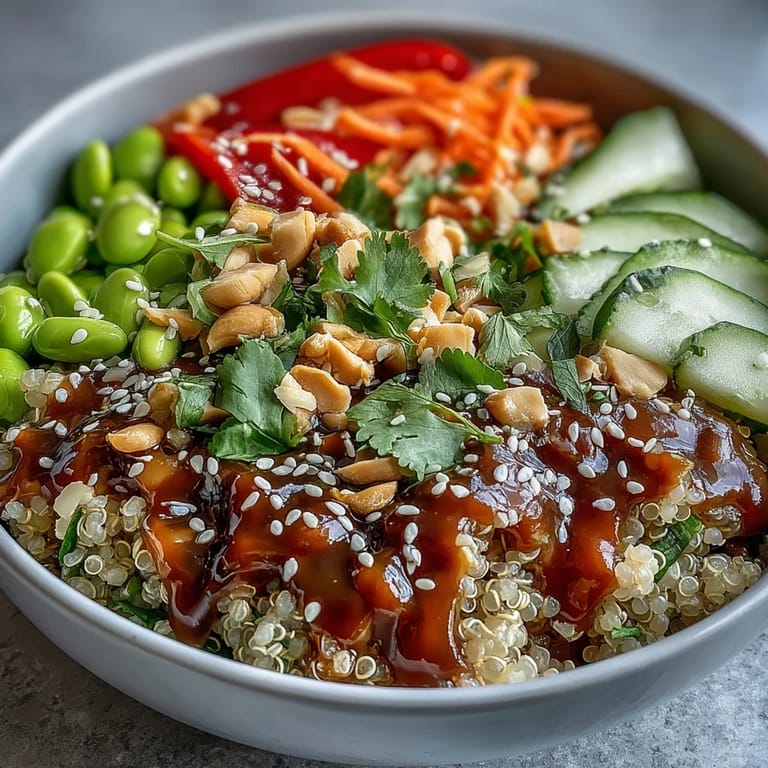
- Slice your bell pepper thin, julienne or shred the carrot depending on your mood, slice the cucumber into half-moons, and shred the cabbage so fine it's almost lacy. The thinner you go, the better the texture in each spoonful.
- Whisk your peanut dressing:
- Combine peanut butter, soy sauce, rice vinegar, lime juice, maple syrup, and sesame oil in a small bowl, then whisk in warm water one tablespoon at a time until it's silky and pourable, not thick.
- Assemble with intention:
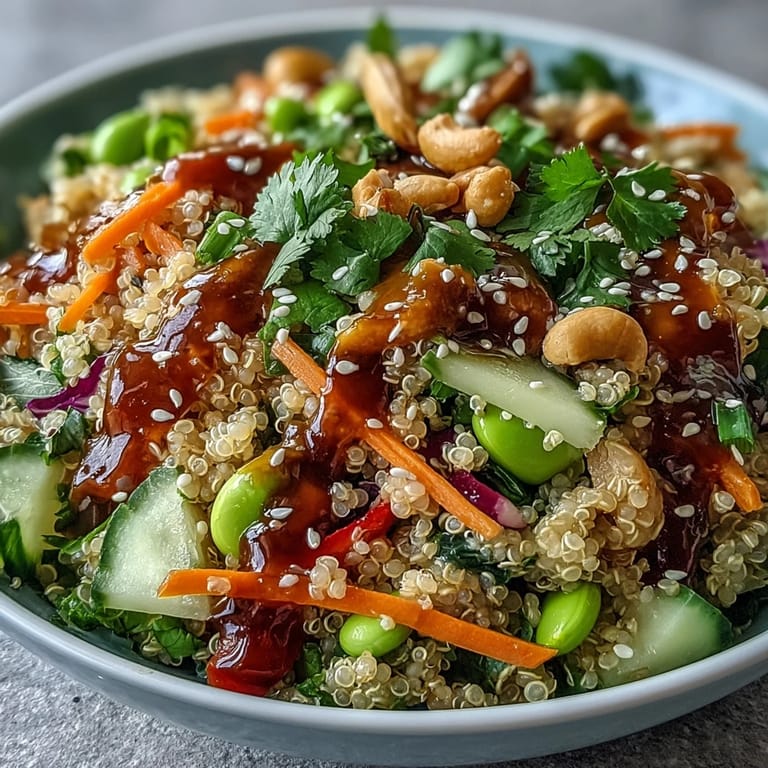
- Divide the warm quinoa among four bowls, then scatter the vegetables and edamame over the top in whatever pattern makes you happy. There's no wrong way to arrange these.
- Dress and garnish:
- Drizzle the peanut dressing generously over everything, then finish with a scatter of cilantro and sesame seeds so each bite has all the components working together.
 Save
Save My partner mentioned one morning that they hadn't felt bloated or sluggish after eating lunch in weeks, and only then did I realize I'd been packing them this bowl three times a week without announcing it as health food. That's when I knew it had moved beyond just recipe territory into the realm of things I make because they genuinely matter.
Why Coconut Milk Changes Everything
Standard quinoa cooked in just water tastes vaguely grainy and academic, like something you should eat rather than want to eat. Coconut milk transforms it into something with actual body and richness, and the fat helps your body absorb all the nutrients from the vegetables better than if you were eating them raw with plain grain. The trade-off is that it takes the same cooking time but tastes like you spent far more effort than you actually did.
The Dressing is Where the Magic Lives
A lot of people rush the dressing stage, just mixing everything together into a chunky mess, but taking two minutes to actually whisk it—letting the peanut butter slowly incorporate with the liquid—creates this silky, almost emulsified sauce that coats every surface instead of pooling at the bottom. The warm water is crucial; cold water won't incorporate as smoothly and you'll end up with a texture like wet sand. The lime juice and vinegar are what stop it from tasting heavy, so don't skip either one thinking one sour element is enough.
Building Flavor Layers That Actually Work
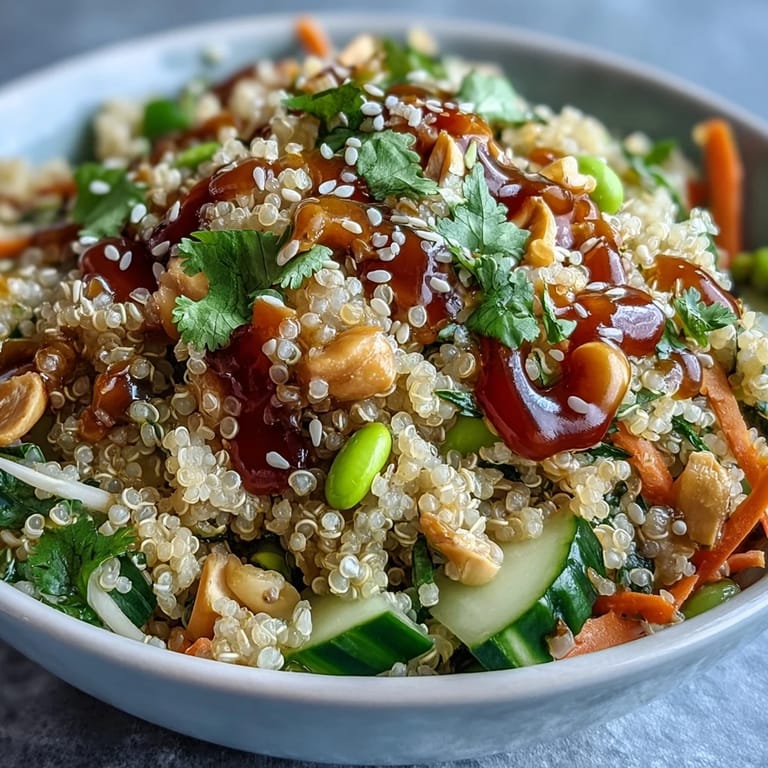
Each element of this bowl is doing something different: the coconut milk is delivering richness, the fresh vegetables are delivering crunch and brightness, the peanut dressing is salty and savory, and the cilantro and sesame seeds are adding that final whisper of complexity. Nothing is fighting for attention; instead they're all quietly supporting each other. This is the kind of meal that tastes better the more you eat it, not worse, because your palate is getting used to the layers rather than overwhelmed by them.
- If you're cooking for someone new to Thai flavors, assemble the bowl first and pass the dressing on the side so they can control how much they use.
- Toasted peanuts scattered on top add crunch that makes the textural experience way more interesting than the recipe technically requires.
- This bowl is just as delicious cold from the fridge the next day if you keep the dressing separate, making it a perfect packed lunch option for anyone trying to eat better without sacrificing flavor.
 Save
Save This bowl has become my answer to the question of what to make when I want something that feels like a celebration but looks like I'm being responsible about nutrition. That intersection is rarer than it should be, which is why I keep coming back to this one.
Recipe FAQs
- → Can I make this bowl ahead of time?
Yes! The quinoa and vegetables can be prepared up to 3 days in advance. Store components separately in airtight containers and assemble when ready to serve. The peanut dressing keeps well in the refrigerator for up to a week.
- → What protein can I add to make it more filling?
Grilled tofu, tempeh, or baked tofu work beautifully. Shredded chicken, chickpeas, or extra edamame also add protein. For a heartier version, add all three for a complete protein-rich meal.
- → Is this bowl gluten-free?
Yes, when using gluten-free soy sauce or tamari in the peanut dressing. All other ingredients are naturally gluten-free, making this a safe option for those avoiding gluten.
- → Can I use other grains instead of quinoa?
Absolutely! Brown rice, couscous, or even cauliflower rice work well. Adjust cooking liquid and time accordingly. The coconut milk pairs wonderfully with most grains.
- → How can I make the peanut dressing nut-free?
Substitute creamy peanut butter with sunflower seed butter or tahini. Both alternatives provide a similar creamy texture while maintaining the dressing's rich flavor profile.
- → What vegetables work best in this bowl?
Red bell pepper, cucumber, shredded carrots, and purple cabbage provide excellent crunch and color. Snap peas, shredded Brussels sprouts, or sliced radishes also make delicious additions.