 Save
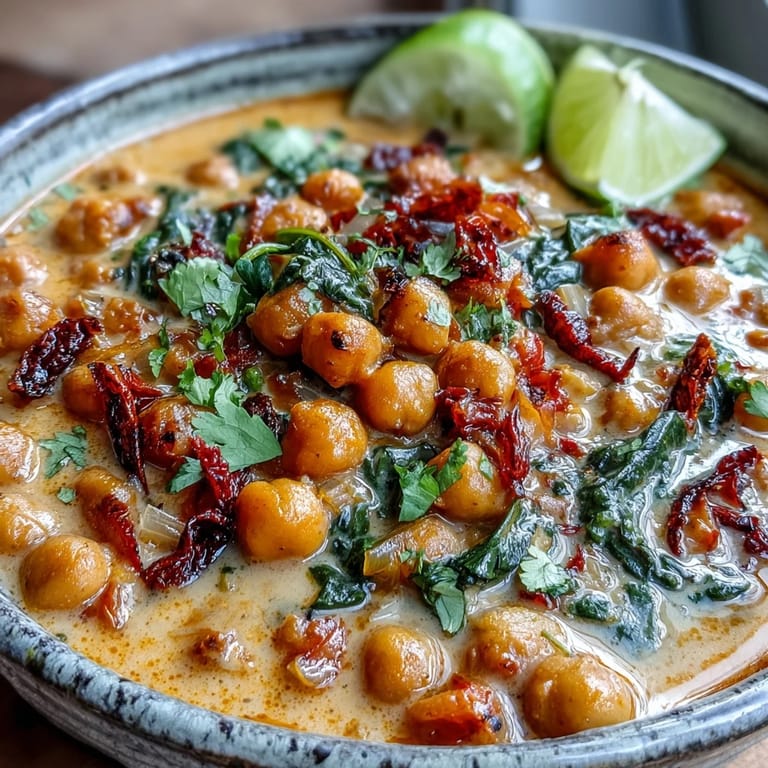
Save There's something about the smell of cumin and coriander hitting hot oil that makes you feel like you're cooking something worthwhile. I discovered this chickpea curry on a rainy Tuesday when I had nothing but pantry staples and a craving for something warm that didn't require planning ahead. Twenty-five minutes later, I was ladling this creamy, fragrant sauce over rice, and my kitchen smelled like a proper Indian restaurant. It became my go-to weeknight dinner, the kind of meal that feels indulgent but somehow requires less effort than ordering takeout.
I made this for my roommate once when she came home exhausted from work, and watching her face soften after that first spoonful was the real magic. She asked for the recipe immediately, which never happens, and now I know it's the kind of dish that bridges the gap between quick weeknight cooking and actual comfort food.
Ingredients
- Vegetable oil (2 tbsp): This is your foundation—use something neutral like canola or grapeseed so the spices shine without competing flavors.
- Onion (1 large, finely diced): The finer you dice, the faster it softens and the more it melts into the sauce, which is what you're after here.
- Garlic and ginger (3 cloves and 1-inch piece): Fresh is non-negotiable; the jar versions just don't carry the same punch that makes this dish sing.
- Ground cumin and coriander (2 tsp each): These two are the backbone—buy them whole and grind them yourself if you have time, but don't skip quality here.
- Turmeric, garam masala, chili powder, and paprika (1 tsp, 1 tsp, 1/2 tsp, 1/2 tsp): Toast them briefly in oil to wake them up; this step transforms them from dusty spices into something aromatic and alive.
- Chickpeas (2 cans, drained and rinsed): Rinsing them removes the starchy liquid that can make the curry taste thin and tinny.
- Coconut milk (1 can, full-fat): Full-fat is essential—it's what creates that luxurious texture; lite versions will leave you with something watery.
- Diced tomatoes (1 can): The acidity balances the richness and prevents the curry from feeling too heavy.
- Vegetable broth or water (1/2 cup): This controls the consistency; you want it pourable but substantial, not soup-like.
- Baby spinach (2 cups, optional but recommended): It wilts into nothing but adds earthiness and nutrition without changing the flavor profile.
- Lime juice and cilantro (fresh): The lime is the finale that brings everything into focus; don't skip it or use bottled.
Tired of Takeout? 🥡
Get 10 meals you can make faster than delivery arrives. Seriously.
One email. No spam. Unsubscribe anytime.
Instructions
- Build Your Flavor Base:
- Heat your oil over medium heat and add the diced onion, watching it gradually turn from raw to soft and translucent over about 4 minutes. You want it tender but not browned, which is where the real flavor foundation begins.
- Wake Up the Aromatics:
- Once the onion softens, add your garlic and ginger, stirring constantly for just a minute so they perfume the oil without burning. The smell that hits you at this moment is your signal that you're on the right track.
- Toast Your Spices:
- Add all your spices at once and stir for exactly one minute, letting them open up in the hot oil. This is the move that separates a good curry from a great one.
- Build the Sauce:
- Add your chickpeas, tomatoes with their juice, coconut milk, and broth, stirring until everything is evenly combined. At this point, your pan will smell incredible and look like something you couldn't possibly have made yourself.
- Let It Simmer:
- Bring everything to a gentle simmer, cover, and let it cook for 15 minutes, stirring now and then to make sure nothing sticks to the bottom. The longer simmering lets the spices deepen and the sauce thicken naturally.
- Add the Greens (Optional but Worth It):
- If you're using spinach, add it now and let it wilt for a couple of minutes, which takes no time at all. It adds color, nutrition, and a subtle earthiness that rounds out the spice profile.
- Finish with Brightness:
- Squeeze in your fresh lime juice, taste it, and adjust the salt and heat to match your preference. Lime is the final note that makes everything feel intentional and balanced.
- Serve and Celebrate:
- Ladle it into bowls over rice or with warm naan, then scatter cilantro and lime wedges on top. This is when you get to enjoy the thirty minutes of very minimal effort you just invested.
 Save
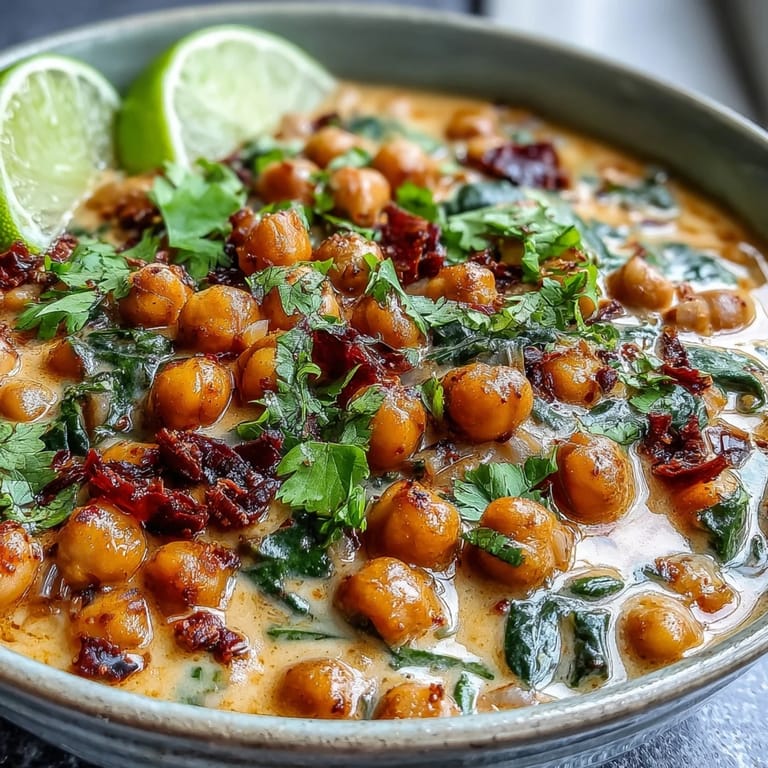
Save The first time I made this for a dinner party, I was nervous about serving something so simple to people I wanted to impress. But watching everyone go back for seconds, asking if I'd added cardamom or something they couldn't quite name, made me realize that simplicity done well is actually the most impressive thing you can do.
Scaling and Storing
This curry doubles beautifully if you're feeding more people or planning leftovers, which honestly taste even better the next day once all the flavors have gotten to know each other. Store it in an airtight container in the fridge for up to four days, and it reheats gently on the stovetop with just a splash of water to loosen it back up if needed.
Variations Worth Trying
Once you've made this a few times and feel confident with the base, it becomes a canvas for whatever's in your fridge or what you're craving that week. Sweet potato chunks add heartiness and natural sweetness, while red or yellow bell peppers bring color and a subtle sweetness that balances the spice beautifully. I've even added cauliflower rice for a lower-carb version, and it works just as well.
Pairing and Serving
This curry is flexible about what it sits alongside, though basmati or brown rice is the classic choice that actually lets the sauce shine. Naan or gluten-free flatbread turns it into something you can use to scoop and soak up every last drop, which is honestly the way this dish is meant to be eaten.
- A simple yogurt raita (if you eat dairy) cools down the spice and adds a tangy contrast that feels sophisticated without any extra effort.
- Serve with lime wedges on the table so people can adjust the brightness to their taste.
- This is the kind of meal that works equally well for a quick solo dinner or when you're feeding a crowd.
 Save
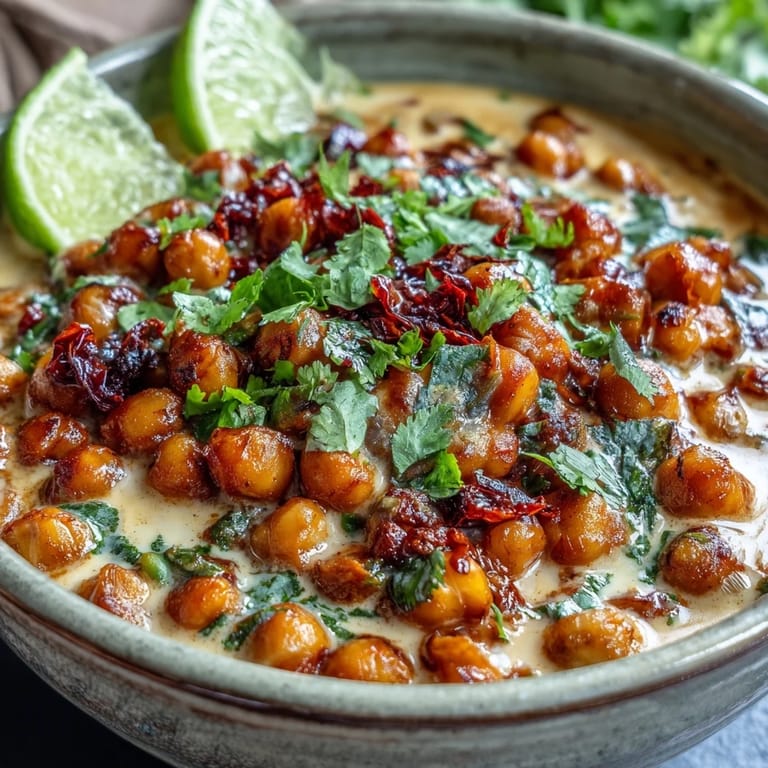
Save This is the kind of recipe that reminds you why cooking at home matters—it's affordable, it comes together faster than you'd think, and somehow it tastes like you know what you're doing. Every time I make it, I'm grateful for that rainy Tuesday when I decided to open the cupboard instead of my phone.
Recipe FAQs
- → How spicy is this curry?
The heat level is mild to medium, adjustable through the chili powder. Start with half the amount and taste before adding more. The warming spices provide depth without overwhelming heat, making it family-friendly while still satisfying spice lovers.
- → Can I make this ahead of time?
Absolutely. This actually tastes better the next day as flavors meld and deepen. Store in an airtight container for up to 4 days. Reheat gently on the stove, adding a splash of water or broth if the sauce has thickened too much.
- → What vegetables can I add?
Diced sweet potato, bell peppers, cauliflower florets, or green beans work wonderfully. Add harder vegetables like sweet potato or cauliflower with the chickpeas so they cook through. Softer vegetables like peppers or spinach go in during the last few minutes.
- → Is full-fat coconut milk necessary?
Full-fat coconut milk creates the richest, most luxurious texture. Light coconut milk works but yields a thinner sauce. For the creamiest results without canned coconut milk, try cashew cream or blend soaked cashews into the broth.
- → How do I store and freeze leftovers?
Refrigerate for up to 4 days or freeze for 3 months. Portion into freezer-safe containers, leaving space for expansion. Thaw overnight in the refrigerator before reheating. The texture remains excellent after freezing.