 Save
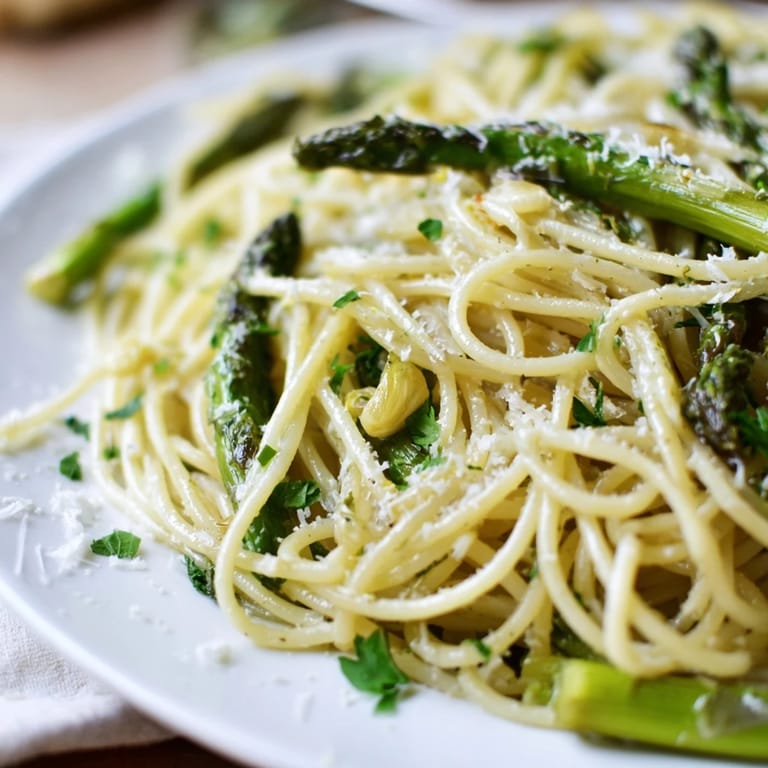
Save The first time I made roasted garlic pasta, I couldn't believe something so simple could taste so luxurious. Those whole sweet cloves melting into the olive oil created a sauce that felt like it came from a tiny Italian grandmother's kitchen, not my cramped apartment with its uneven oven. My roommate walked in mid-roast and immediately asked what smelled so incredible - that's when I knew this recipe would become a regular rotation.
Last spring, I made this for a friend who swore she hated asparagus. She took one skeptical bite, eyes went wide, and quietly asked for seconds. The way the roasted vegetables get all sweet and tender while the garlic mellows into something almost creamy - it changes how people think about ordinary ingredients. Now she requests it every time she visits.
Ingredients
- 1 large head garlic: Whole roasted cloves become sweet and mellow, creating a natural sauce that's infinitely better than raw garlic. Don't be tempted to use more - a little goes a long way once roasted.
- 1 bunch fresh asparagus: Look for tight, compact heads and firm stalks. Thinner spears roast more evenly, but thicker ones work if you give them an extra minute or two.
- 12 oz spaghetti: The long strands tangle beautifully with the asparagus pieces and garlic. Spaghetti holds the silky olive oil sauce better than short pasta shapes.
- 1/4 cup extra-virgin olive oil: Use the good stuff here since it's a major flavor player. You'll taste the difference, especially when it's warmed and infused with roasted garlic.
- 1/2 teaspoon sea salt: Flake salt works wonderfully as a finishing touch, but fine sea salt dissolves better into the pasta water and sauce.
- 1/2 cup grated Parmesan: Grate it fresh from a wedge if possible. Pre-grated Parmesan has anti-caking agents that prevent it from melting smoothly.
- Zest of 1 lemon: This brightens everything and cuts through the rich olive oil. Avoid the white pith - it's bitter and will throw off the balance.
- 2 tablespoons fresh parsley: Flat-leaf parsley has more flavor than curly, and it adds a fresh green note that wakes up the roasted flavors.
Tired of Takeout? 🥡
Get 10 meals you can make faster than delivery arrives. Seriously.
One email. No spam. Unsubscribe anytime.
Instructions
- Roast the garlic:
- Preheat your oven to 400°F and slice the top third off the garlic head to expose all the cloves. Drizzle with olive oil, wrap tightly in foil, and roast for 30 minutes until the cloves are soft and golden. Let it cool slightly before squeezing - those cloves will be hot!
- Roast the asparagus:
- After the garlic has been roasting for 15 minutes, toss your asparagus pieces on a baking sheet with olive oil, salt, and pepper. Slide them into the oven alongside the garlic and roast for 12-15 minutes until tender but still bright green.
- Cook the pasta:
- While everything roasts, bring a large pot of salted water to boil - it should taste like the ocean. Cook spaghetti until al dente, then reserve 1/2 cup of that starchy pasta water before draining. This liquid gold will help create your silky sauce.
- Prep the garlic base:
- Squeeze those soft roasted cloves right out of their skins into a small bowl. Mash them with a fork until they form a fragrant paste - this will be the foundation of your sauce.
- Build the sauce:
- Warm 1/4 cup olive oil in a large skillet over medium heat. Add your mashed roasted garlic and sauté for 1-2 minutes until it becomes incredibly fragrant and starts to infuse the oil.
- Combine everything:
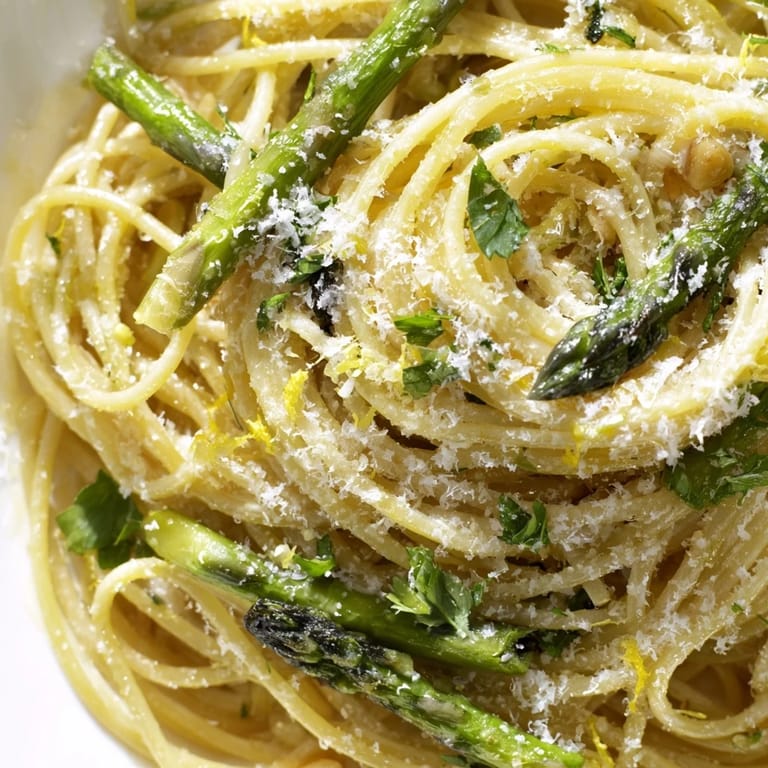
- Add the roasted asparagus and drained spaghetti to the skillet. Toss vigorously, adding that reserved pasta water as needed until the sauce coats each strand in a glossy, silky layer.
- Finish with brightness:
- Remove from heat and stir in Parmesan, lemon zest, parsley, and red pepper flakes if you like a little warmth. Taste and adjust salt and pepper - the pasta water and Parmesan already added some saltiness.
- Serve immediately:
- Plate while hot and finish with extra Parmesan and parsley. This dish waits for no one - it's best when the pasta is still steaming and the cheese is just starting to melt.
 Save
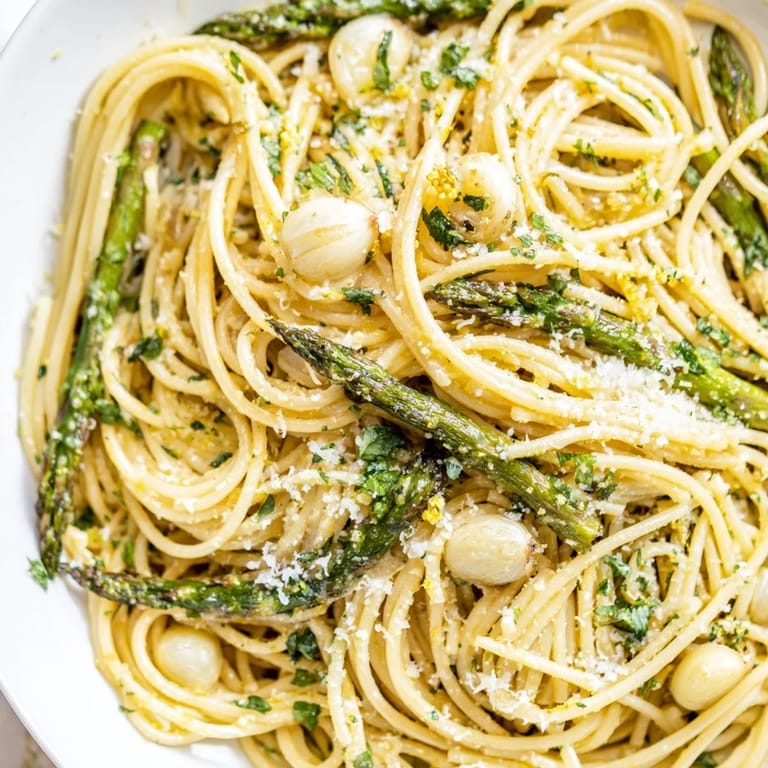
Save My sister-in-law made this for Easter brunch a few years ago, and I've never seen people so quiet at a family gathering. Even the kids who normally pick around green vegetables were scraping their plates. Something about the sweetness of roasted garlic and asparagus just makes people lean in and savor every bite.
Perfecting Your Roast
I've learned that not all ovens roast equally - mine runs hot, so I check my asparagus at the 10-minute mark. You want tender but not mushy, with just a few charred tips for that irresistible flavor. If your asparagus is particularly thick, consider slicing the stalks in half lengthwise before roasting so they cook evenly.
Making It Your Own
Sometimes I'll add handful of cherry tomatoes to the asparagus roasting pan - they burst and create little pockets of sweetness. Toasted pine nuts or walnuts scattered on top add incredible crunch. A dollop of ricotta instead of Parmesan makes it unexpectedly creamy and luxurious.
Timing Everything Right
The real secret is getting your timing down so everything finishes together. Start your pasta water when the asparagus goes into the oven - by the time vegetables are done, your pasta water will be boiling and you'll have about 10 minutes to finish the sauce while spaghetti cooks. Do all your prep work before you turn on the oven.
- Mise en place isn't just for restaurants - having everything measured and ready makes the actual cooking feel effortless
- If your roasted garlic cools too much before mashing, warm it briefly in the olive oil to help it incorporate smoothly
- This dish doesn't reheat beautifully, so plan to eat it all right then and there (not that that's a problem)
 Save
Save Simple recipes like this remind me that the best cooking is often about patience, not complexity. Letting the oven do the work while you sip a glass of wine and wait for the magic to happen.
Recipe FAQs
- → How do I roast the garlic properly?
Slice the top off the garlic head to expose the cloves, drizzle with olive oil, wrap in foil, and roast at 400°F for 30 minutes until the cloves are soft and golden. You can add the asparagus to the oven during the last 15 minutes.
- → Can I make this dish vegan?
Yes, simply omit the Parmesan cheese or substitute it with a plant-based alternative. The roasted garlic and asparagus provide plenty of flavor on their own.
- → What other vegetables work well in this pasta?
Spring vegetables like peas, artichokes, or fresh spinach would complement the garlic and asparagus beautifully. You could also add cherry tomatoes during the last few minutes of roasting.
- → Why should I reserve pasta water?
Pasta water contains starch that helps emulsify the olive oil and creates a silky, cohesive sauce that clings to the spaghetti. Add it gradually until you reach your desired consistency.
- → Can I use different pasta shapes?
While spaghetti works beautifully, you could use linguine, fettuccine, or even short pasta like penne or fusilli. Adjust cooking time according to package instructions.
- → How do I store leftovers?
Store in an airtight container in the refrigerator for up to 3 days. Reheat gently with a splash of water or olive oil to refresh the sauce. The garlic flavor will continue to develop over time.