 Save
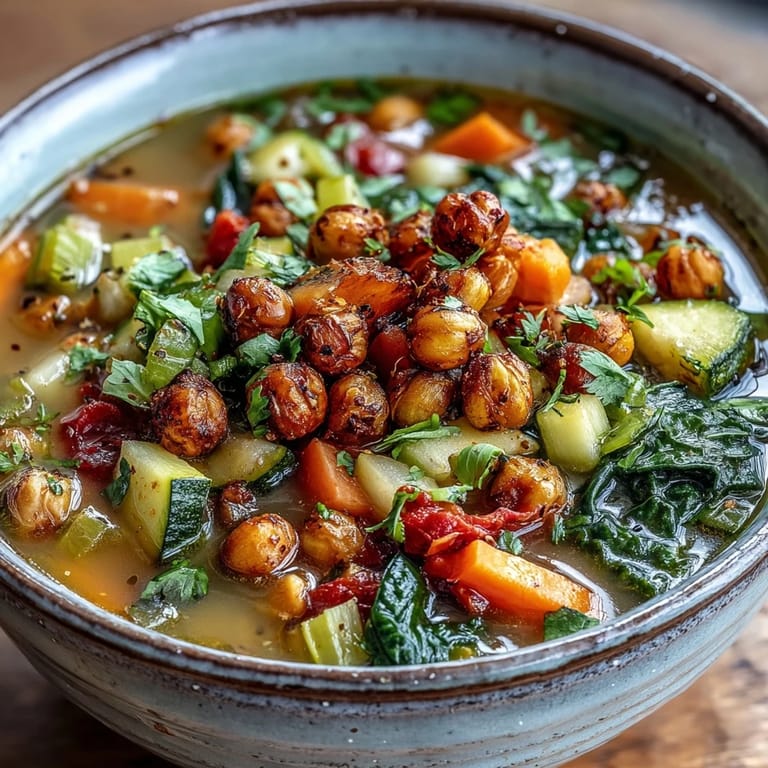
Save One October afternoon, my kitchen filled with the kind of warmth that has nothing to do with the stove. I was experimenting with roasting chickpeas as a snack when my neighbor stopped by, and the smell—cumin, paprika, something almost smoky—made her linger. By the time she left, I'd already decided to turn those crispy golden chickpeas into something bigger, something meant to be shared in a bowl. This soup became that answer, fragrant and alive with spices, the kind of dish that makes you slow down.
I made this for a friend going through a rough season, and she came back asking for it again the next week. There's something about a warm bowl of vegetables and spices that lets people feel cared for without it being too much. Now whenever October rolls around, I know exactly what I'm making.
Ingredients
- Chickpeas, 1 can (400 g) drained and rinsed: The protein heart of this soup—rinsing them removes that starchy liquid so they roast up golden instead of steaming.
- Olive oil for roasting, 1 tbsp: Just enough to coat the chickpeas without making them greasy or heavy.
- Smoked paprika, ½ tsp: This is where the magic starts; it adds depth that regular paprika simply cannot touch.
- Ground cumin for roasting, ¼ tsp: Pairs beautifully with the paprika and becomes more complex when toasted.
- Salt for roasting, ¼ tsp: Season the chickpeas directly so the flavor reaches every one.
- Large carrot, 1 diced: Cut into small dice so it softens evenly and distributes throughout the soup.
- Celery stalk, 1 diced: Adds subtle savory notes that anchor the whole flavor profile.
- Medium zucchini, 1 diced: Becomes creamy as it cooks, almost melting into the broth.
- Red bell pepper, 1 diced: A touch of sweetness that balances the spices without overwhelming them.
- Small onion, 1 chopped: The aromatic base that everything builds upon.
- Garlic cloves, 2 minced: Add them when the onion is soft so they don't burn, filling the kitchen with the scent of something good about to happen.
- Kale or spinach, 2 cups (150 g) chopped: Wilts down to almost nothing, which means you can be generous without the soup becoming too dense.
- Diced tomatoes, 1 can (400 g): Their acidity keeps the soup bright and prevents it from tasting one-note or heavy.
- Vegetable broth, 1.2 liters (5 cups): The liquid canvas for everything else; a good broth makes all the difference, so taste yours first.
- Ground cumin for the soup, 1½ tsp: This is more generous than the roasting amount because the spices mellow in the simmering broth.
- Ground coriander, 1 tsp: Often overlooked, but it adds a gentle citrus note that makes people say the flavor reminds them of something they can't quite place.
- Turmeric, ½ tsp: Not just for color—it brings a warmth and slight bitterness that grounds the sweeter spices.
- Ground cinnamon, ½ tsp: A tiny amount transforms the whole thing, adding complexity without tasting like dessert.
- Cayenne pepper, ¼ tsp optional: Start with this amount and add more only if you like heat; the soup is warming without it.
- Salt and black pepper to taste: Always taste at the end; the salt from the chickpeas and broth may be enough, or you might want more.
- Fresh lemon juice, 2 tbsp: This brightens everything at the last moment, waking up flavors that might otherwise feel flat.
- Fresh cilantro or parsley, 2 tbsp chopped: Cilantro adds a peppery freshness, while parsley is gentler; choose what calls to you.
Tired of Takeout? 🥡
Get 10 meals you can make faster than delivery arrives. Seriously.
One email. No spam. Unsubscribe anytime.
Instructions
- Prepare your oven and roast the chickpeas:
- Preheat the oven to 200°C (400°F). While it heats, toss your drained chickpeas with olive oil, smoked paprika, cumin, and salt in a bowl until they're evenly coated—your hands work best for this, and you'll make sure nothing gets missed. Spread them on a baking sheet in a single layer and slide them into the oven, remembering to give them a good shake halfway through at the 10-minute mark so they brown evenly all over.
- Build your aromatic base:
- While the chickpeas roast, pour a tablespoon of olive oil into a large pot and set it over medium heat. When it shimmers, add your chopped onion and minced garlic, stirring often as they soften—this takes about two to three minutes, and you'll know it's right when the onion turns translucent and the garlic releases its fragrance.
- Add the first wave of vegetables:
- Now comes the carrot, celery, zucchini, and bell pepper—all those smaller diced pieces. Stir them into the softened onion and let them cook, stirring occasionally, for about five minutes until they start to release their own aromas and the edges become tender.
- Toast the spice blend:
- Sprinkle in your cumin, coriander, turmeric, cinnamon, and cayenne if you're using it, stirring constantly for just one minute—no longer, because toasting spices in fat releases their oils and deepens their flavor, but burning them turns them bitter and acrid. You'll smell the transformation immediately, and that's your signal to move forward.
- Add the broth and tomatoes, then simmer:
- Pour in the diced tomatoes (juice and all) and the vegetable broth, stirring to combine everything. Bring it to a boil so the liquid becomes active and the vegetables begin to soften, then reduce the heat and let it simmer gently for fifteen minutes—low enough that you don't see aggressive bubbling, just quiet movement.
- Finish with greens and half the roasted chickpeas:
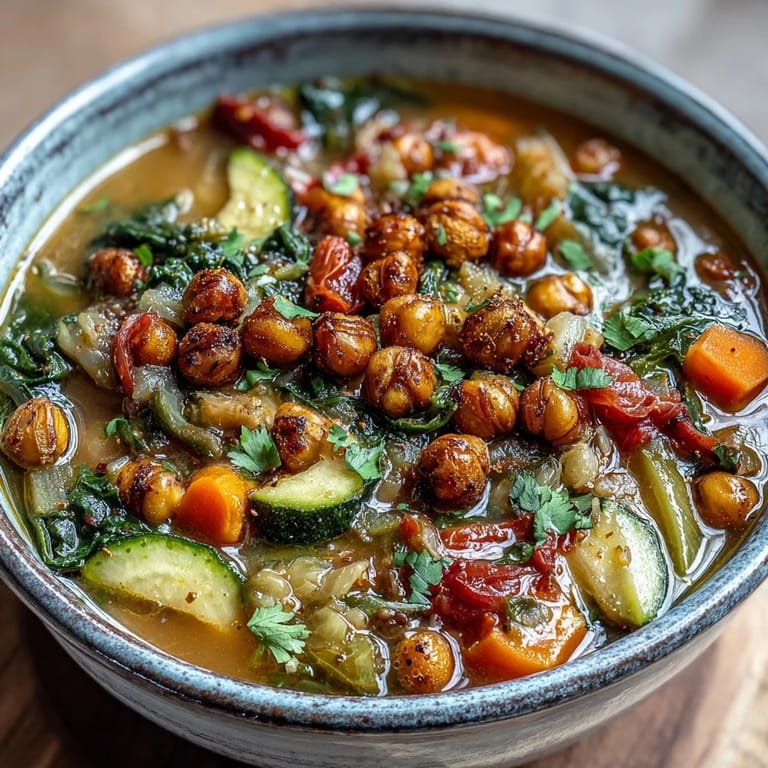
- By now your chickpeas should be golden and crispy from the oven; set most of them aside. Stir the chopped kale or spinach and half of the roasted chickpeas into the simmering soup, continuing to cook for another five minutes until the greens wilt and the vegetables become completely tender.
- Brighten and season to your taste:
- Squeeze in the fresh lemon juice and give everything a stir, tasting as you go. Add salt and pepper until it feels right to you—remember that everyone's palate is different, so trust your mouth more than the recipe.
- Serve with care and garnish:
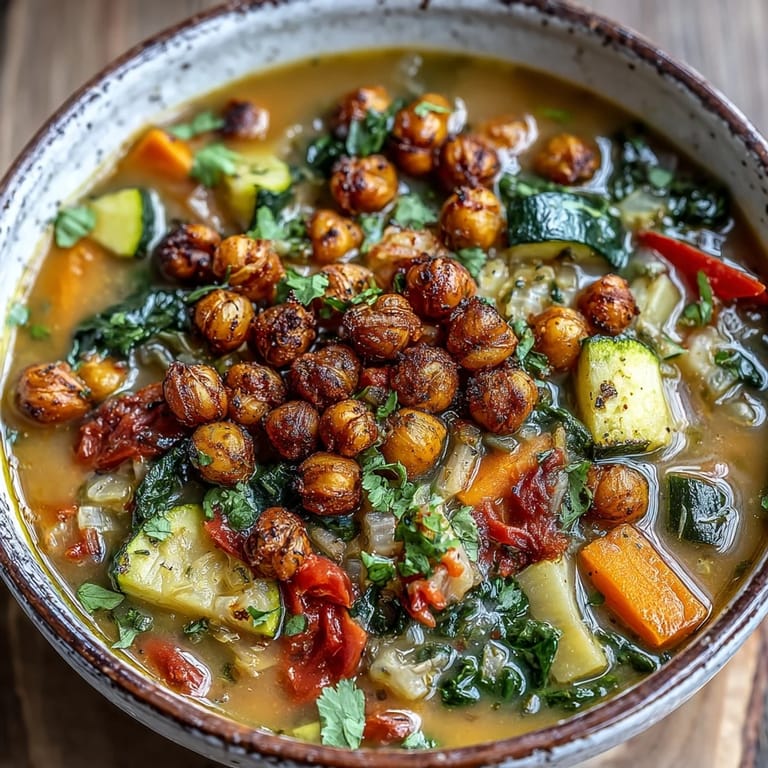
- Ladle the hot soup into bowls, then top each one with the remaining crispy roasted chickpeas and a scatter of fresh cilantro or parsley. Watch people's faces light up when they taste it.
 Save
Save 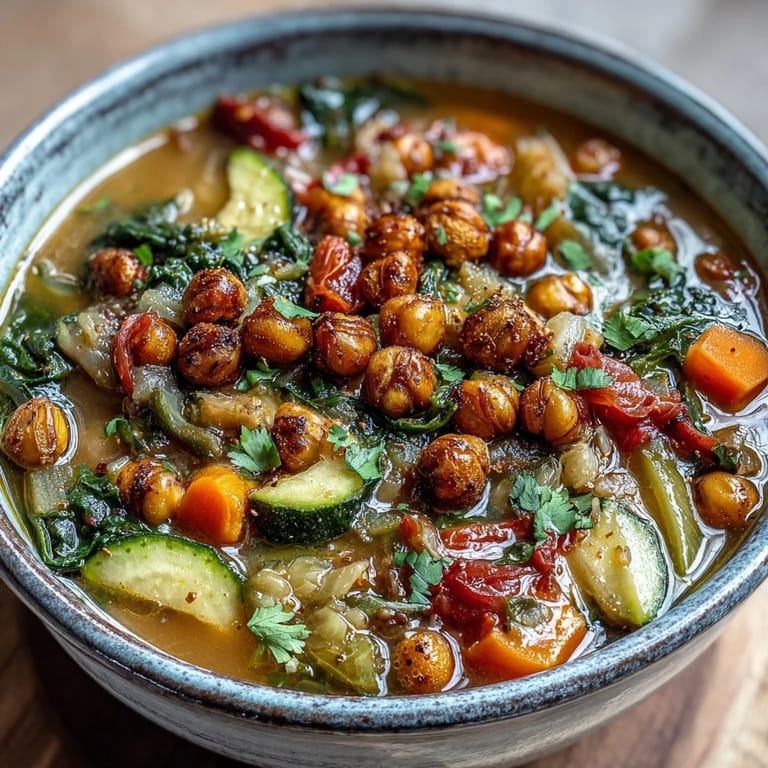 Save
Save There's a December memory of making this when the whole house was quiet except for the hiss and steam of the simmering pot, and I realized that cooking alone can feel like meditation, like you're giving something to yourself. The soup became less about the specific flavors and more about the act of showing up in the kitchen and being present with what you're creating.
Why This Soup Became a Favorite
Most soups feel like one-note comfort food, but this one surprises you with its complexity—the spices work like a small orchestra, each one contributing without drowning out the others. What started as an experiment with roasted chickpeas became something I found myself craving in a way that felt deeper than hunger, like my body remembered the warmth of those spices.
Making It Your Own
The beauty of this soup is that it welcomes adaptation without losing its soul. Swap the kale for Swiss chard or escarole if that's what your market has, stir in a splash of coconut milk if you want richness, or increase the cayenne if you like heat that builds as you eat. Some nights I add cooked rice right into the pot, and other times I serve it with crusty bread for soaking up every last drop.
Spices That Change Everything
The most transformative moment in making this soup happens when you add the spice blend—cumin, coriander, turmeric, and cinnamon together create a warmth that has nothing to do with temperature and everything to do with how they speak to each other. The first time I made soup without toasting the spices, it tasted flat and one-dimensional, like the recipe but not the experience. That taught me that the journey of building flavors matters as much as the ingredients themselves.
- Toast your spices in the oil for exactly one minute—any longer and you risk burning them, any shorter and you miss the depth.
- If you can't find smoked paprika for the chickpeas, regular paprika works, but it won't have that subtle smoky quality that makes people ask what you added.
- The soup keeps well in the refrigerator for up to four days, and the flavors actually deepen as it sits, so don't hesitate to make it ahead.
 Save
Save 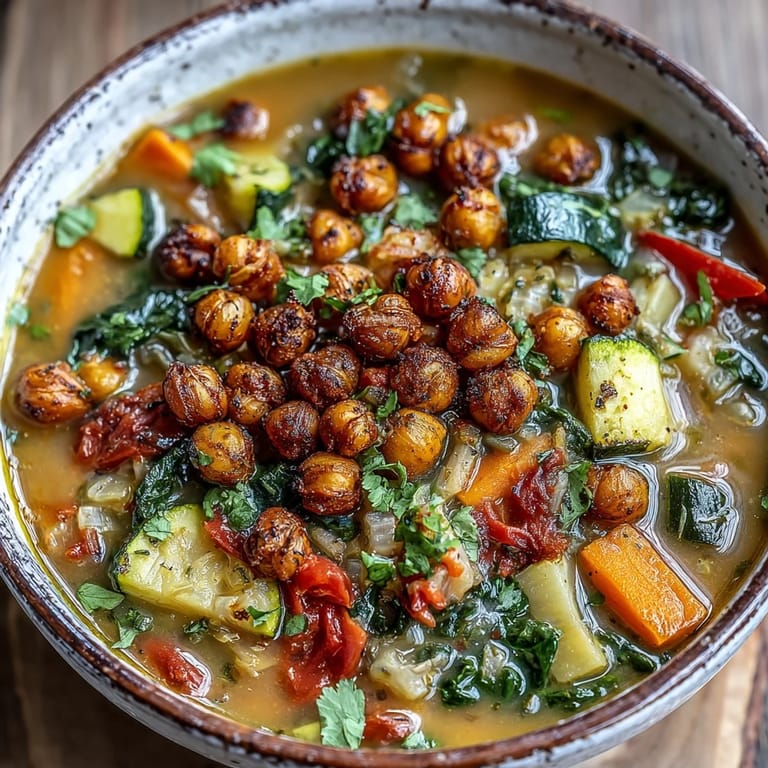 Save
Save This soup has become something I return to without thinking, the way you revisit a favorite memory or a place that feels like home. Make it once and you'll understand why.
Recipe FAQs
- → Can I use dried chickpeas instead of canned?
Yes, you can use 1½ cups of cooked chickpeas. Soak dried chickpeas overnight, then cook until tender before using. The roasting step remains the same.
- → What vegetables can I substitute?
Feel free to use seasonal alternatives like butternut squash, sweet potato, green beans, or cauliflower. Maintain similar quantities for balanced flavor and texture.
- → How can I make this soup creamier?
Stir in ½ cup of coconut milk or cashew cream during the final minutes of cooking. You can also blend a portion of the soup and return it to the pot for added body.
- → Can this soup be made ahead and stored?
Absolutely. Store in an airtight container in the refrigerator for up to 4 days or freeze for up to 3 months. Add the roasted chickpeas just before serving to maintain their crispness.
- → How do I adjust the spice level?
For milder flavor, omit the cayenne pepper. For more heat, increase cayenne to ½ teaspoon or add fresh chili peppers when sautéing the vegetables.
- → What can I serve alongside this soup?
Crusty bread, warm pita, naan, or cooked grains like quinoa, rice, or couscous make excellent accompaniments. A simple side salad also pairs well.